
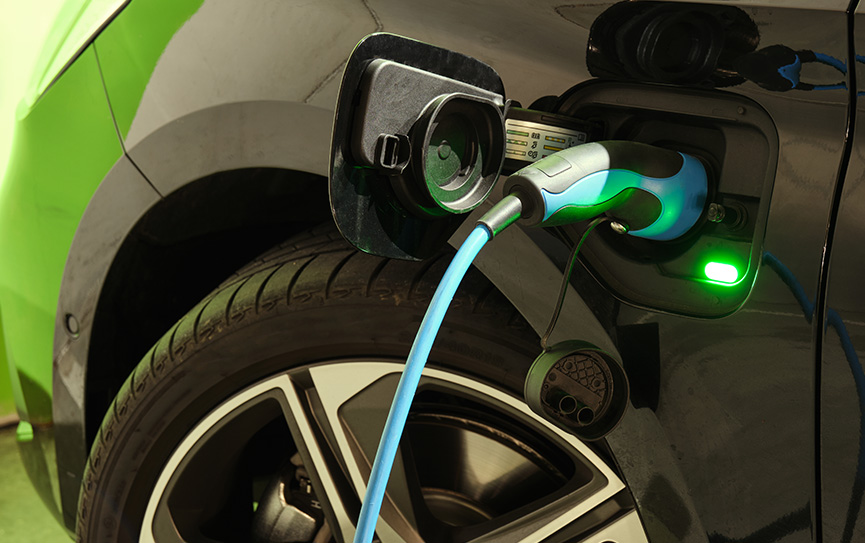
India’s electric mobility transformation is accelerating across passenger vehicles, commercial fleets, logistics networks, and public transport. The success of this transition depends not only on EV adoption but on the strength of the charging infrastructure supporting it.
A fragmented approach to charger deployment is no longer sufficient. The next phase of EV growth demands an integrated, national-scale charging backbone that delivers reliability, accessibility, and operational consistency across geographies.
From Standalone Chargers to Networked Infrastructure
Early EV deployments focused on isolated charging stations. However, sustainable growth requires interconnected networks that provide:
- Real-time charger visibility
- Standardized user experience
- Centralized monitoring
- Interoperability across hardware
- Seamless digital payments
A unified network approach ensures charging access across highways, cities, and commercial hubs without operational inconsistencies.
Corridor Connectivity: Enabling Intercity EV Travel
Highway infrastructure plays a decisive role in accelerating EV adoption. Structured corridor deployments eliminate range anxiety and enable predictable long-distance travel.
Strategically deployed fast-charging hubs along major routes ensure:
- Reliable intercity mobility
- Reduced travel downtime
- Increased charger utilization
- Higher user confidence
National connectivity transforms EV charging from convenience infrastructure into a true mobility backbone.
Urban Charging Density
Urban expansion complements corridor networks. Charging stations deployed across commercial hubs, fuel stations, retail centers, and hospitality properties create distributed access.
High-density networks ensure:
- Reduced waiting time
- Improved accessibility
- Higher adoption rates
- Stronger ecosystem confidence
Infrastructure must scale proportionally with EV penetration to support long-term national electrification goals.